
Filling technology selection
Juice and Tea Filling Machines: Temperature, Pulp and PET Checks
A hot-fill route for juice or tea requires a qualified product process and a compatible bottle and cap. Check recipe, particles, viscosity and actual temperature conditions before matching an RXGF reference; the filler alone does not validate shelf life.
Request My RXGF Configuration
Machine selection and configuration
RXGF juice and tea filling machine model references
Catalog values use a 500 ml rating basis and list a 500-2,000 ml PET range, H170-320 mm and diameter 50-105 mm. The product recipe, validated process temperature, bottle heat resistance and cooling sequence remain part of final selection.
| Catalog model | Reference capacity | Machine size | Weight | Power |
|---|---|---|---|---|
| RXGF14-12-5 | 4,000 BPH | L2360-W1770-H2700 mm | 2,800 kg | 2.42 kW |
| RXGF16-16-5 | 6,000 BPH | L2760-W2060-H2700 mm | 3,800 kg | 3.12 kW |
| RXGF24-24-8 | 10,000 BPH | L2800-W2230-H2700 mm | 4,800 kg | 3.92 kW |
| RXGF32-32-8 | 12,000 BPH | L4215-W2960-H2700 mm | 5,800 kg | 4.92 kW |
| RXGF40-40-12 | 15,000 BPH | L4360-W3300-H2700 mm | 6,800 kg | 7.30 kW |
| RXGF50-50-12 | 20,000 BPH | L5900-W4123-H2700 mm | 8,600 kg | 8.42 kW |
| RXGF60-60-15 | 24,000 BPH | L5770-W5288-H2700 mm | 10,800 kg | 11.40 kW |
| RXGF72-72-18 | 32,000 BPH | L6540-W4900-H2700 mm | 12,800 kg | 11.92 kW |
Solve the operating problem before selecting a model
| Problem or selection risk | What to check and record |
|---|---|
| Bottle deformation or paneling | Obtain the bottle supplier's hot-fill specification and drawings. Review filling and cooling profiles with bottle, cap and process suppliers. |
| Pulp blockage or variable filling | Document particle size distribution, concentration and viscosity at filling conditions. Request product trials; do not assume every juice fits standard valves. |
| Temperature drift during stops | Record temperatures and stop duration by batch. Agree monitoring, restart and out-of-limit product handling in the qualified process plan. |
Evidence to include in the machine inquiry
Send the product specification, particle data, process temperature requirements, PET and closure approval, cooling interface and test acceptance criteria. Keep unknown limits visible in the RFQ.
Catalog features and project configuration
What the RXGF Configuration Means for Your Project
Catalog pages 13–14 describe the RXGF references. They do not establish a universal hot-fill temperature, aseptic capability or guaranteed shelf life.
| Catalog reference | What it addresses | What the proposal must confirm |
|---|---|---|
| PET juice and tea platform | A starting family for the specified beverage | State recipe, viscosity, pulp or fibers and the validated process route before choosing a valve. |
| Air-conveyor infeed and adjustable outfeed | Bottle supply and discharge coordination | Confirm handling of the actual hot-fill bottle before and after filling. |
| PLC, inverter coordination and photoelectric status sensing | Control and line-speed coordination | Agree how temperature deviations, line stops and product restart conditions are handled. |
Make quotations comparable
Define the Equipment Supply Boundary
| Equipment block | Information to agree | Scope boundary |
|---|---|---|
| Before the filler | Recipe preparation and product condition at the inlet | Mixing, heat treatment, buffer tanks and product return need explicit scope ownership. |
| RXGF monoblock | Agreed product-contact path, PET format, filling and capping arrangement | Confirm process controls and the cleaning method for the actual recipe. |
| After capping | Any validated hold/inversion and cooling sequence | Cooling equipment, discharge temperature and bottle stability are not implied by the filler model. |
Machine selection and configuration
Inputs to confirm before configuration
- Product recipe, pH, viscosity and particle information
- Target fill temperature and upstream product supply condition
- Bottle material and heat-resistance confirmation
- Closure specification and headspace requirement
- Cooling or hold sequence after filling
- Reference output and cleaning method
Machine selection and configuration
Resolve the engineering questions before requesting a model
Hot-fill PET bottle requirements
Review bottle heat resistance, neck stability, closure and cooling behavior with the process owner.
Hot-fill PET bottle requirementsPulp and particle filling guide
Specify particle size, distribution and product behavior before assuming a standard valve will suit the recipe.
Pulp and particle filling guideFilling machine CIP interfaces
Define supply, return, cleaning boundaries and validation responsibilities in the technical proposal.
Filling machine CIP interfacesCatalog equipment evidence
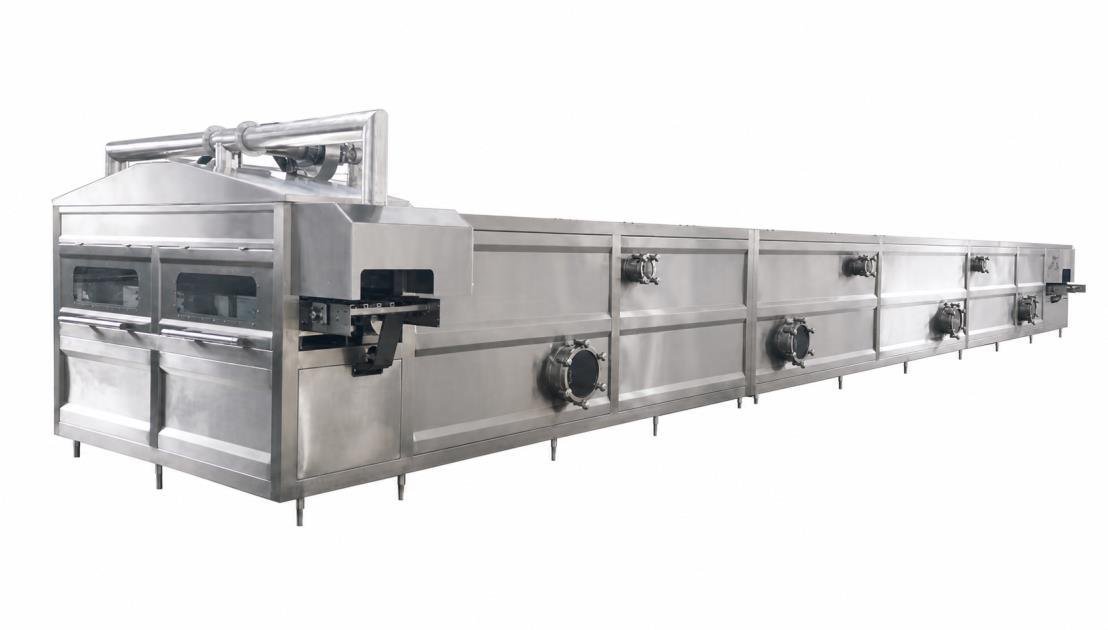
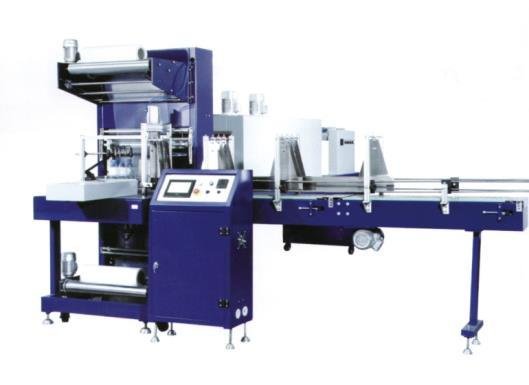
Juice and Tea Process Interfaces
Product preparation, hot filling, post-fill cooling and final packing must use one confirmed temperature, bottle and output basis.

Engineering decision guide
Continue the buyer decision path
Use these pages in sequence to understand, compare, plan, choose and prepare a project-specific request.
-
Juice and Tea Filling Machines: Temperature, Pulp and PET Checks
A hot-fill route for juice or tea requires a qualified product process and a compatible bottle and cap. Check recipe, particles, viscosity and actual temperature conditions before matching an RXGF reference; the filler alone does not validate shelf life.
-
Filling Technology Comparison
Compare gravity, hot-fill and isobaric routes against the same product, package, acceptance and cleaning facts.
-
Filling Machine Capacity Guide
Define required saleable output by bottle size, product, shift pattern and planned efficiency before comparing nominal machine rates.
-
Filling Machine Selector
Generate a preliminary technology route from beverage, process, package and output inputs, then verify open assumptions with an engineer.
-
Request a Filling Machine Recommendation
Send a structured machine brief with the known product, package, output, site and project facts, while marking unknowns openly.
Buyer questions
Frequently asked questions
Is RXGF automatically suitable for juice with pulp?
No. Particle size, concentration, flow behavior and valve design need a product-specific compatibility review.
Does hot filling guarantee the required shelf life?
No. Shelf life also depends on the validated product process, packaging, hygiene and storage conditions.
Last reviewed:
Next machine-selection action
Request a RXGF Machine Configuration
Provide the beverage condition, bottle and cap drawings, required output for each size, utilities and destination. Identify any preparation or packing equipment you want included.