
Engineering decision guide
Beverage Filling Temperature: Measurement Points and Stop Checks
There is no universal filling temperature for every beverage. Define the product, filling route and package first, then identify where and when each temperature is measured. A tank reading is not proof of the condition at the filling valve or after closure.
Request a machine review
Trace the problem before changing the process
| Problem or selection risk | What to check and record |
|---|---|
| Tank and bottle readings disagree | Record measurement locations, calibrated instrument IDs, sampling delay and method. Compare readings from the same product batch; do not mix surface and product-core measurements. |
| Temperature changes after a line stop | Log stop duration, restart time and the product path. Ask the process owner to define hold, diversion and restart criteria; do not send out-of-limit product forward merely to maintain speed. |
| Two suppliers quote different temperatures | Separate the heater outlet, filler inlet, filling point and post-closure requirements. Identify the responsible equipment and the validated process basis for each limit. |
A practical record to compare batches and quotations
| Record field | What to include |
|---|---|
| Product and route | Recipe revision; hot, ambient or carbonated route; bottle/cap approval. |
| Measurement identity | Location, instrument, calibration status and sampling method. |
| Time and condition | Batch, start/stop state, delay and temperature unit. |
| Acceptance decision | Approved limits, responsible reviewer and handling of deviations. |
Evidence to include in the machine inquiry
Send a time-aligned temperature log, process diagram, instrument information and package specifications. Mark unknown limits as unresolved; the filler quotation does not establish a safe product process or shelf life.
Buyer decision worksheet
Turn filling temperature into a usable machine input
A temperature value is useful only when its measurement point, normal range and start-up condition are defined. Use the worksheet below to give every supplier the same thermal duty instead of comparing proposals built around different assumptions.
| Decision point | Evidence to record | Why it changes the filling-machine review |
|---|---|---|
| Reference point | Identify where the temperature is measured, such as the product connection at the filler inlet, and who owns that measurement. | A tank reading and an inlet reading can describe different operating conditions. |
| Operating window | Record the expected normal range plus the start-up, pause and restart conditions rather than one preferred number. | Flow, foam, package response and filling time can change across the actual window. |
| Product and process basis | Attach the approved recipe or process reference and state whether heating, cooling or recirculation continues near the filler. | The machine must be reviewed against the validated product condition, not a generic beverage label. |
| Package exposure | Provide the bottle or can drawing, closure specification and the expected time before the next thermal step. | Container stability and closure behavior may determine the allowable handling sequence. |
Temperature-specification mistakes that create quote gaps
- Writing only "hot," "cold" or a recipe temperature without a filler reference point.
- Using one ideal number while omitting normal variation, start-up and restart conditions.
- Assuming the product name proves a filling route without package and process evidence.
- Comparing machines when each supplier has used a different temperature basis.
Add these items to the RFQ evidence pack
- Filler-inlet temperature range and measurement location.
- Approved process or recipe reference and any hold condition.
- Container and closure drawings with revision numbers.
- Start-up, planned stop and restart temperature conditions.
- Expected downstream cooling, inversion or inspection sequence.
- Written acceptance method for temperature during the agreed test.
Keep unknown items visible in the RFQ. Final machine suitability, settings and acceptance conditions belong in the project-specific technical proposal and test plan.

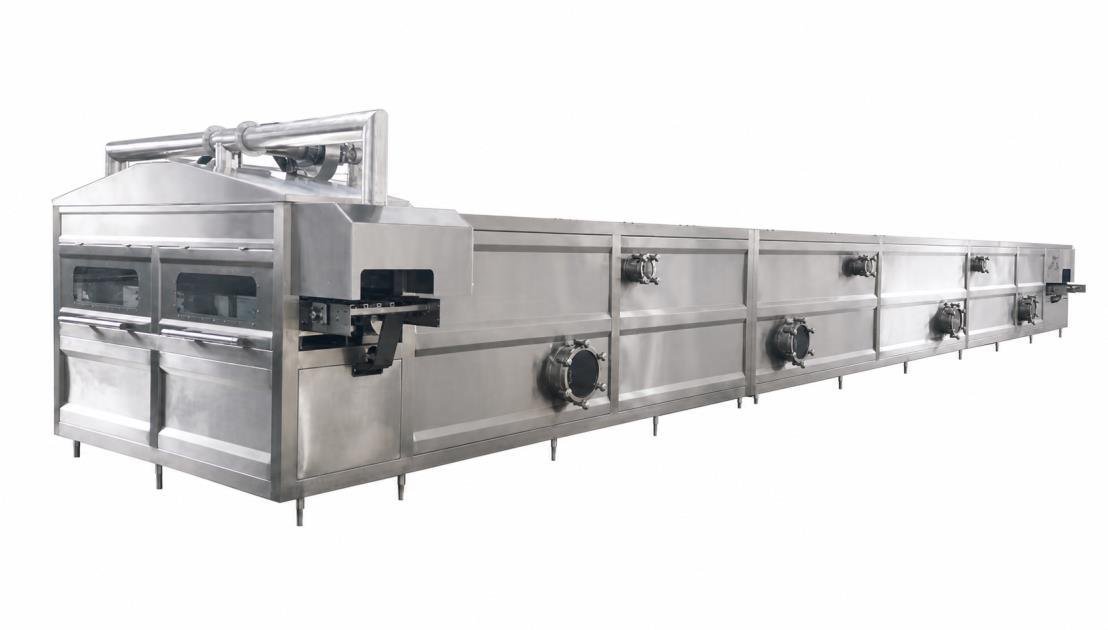
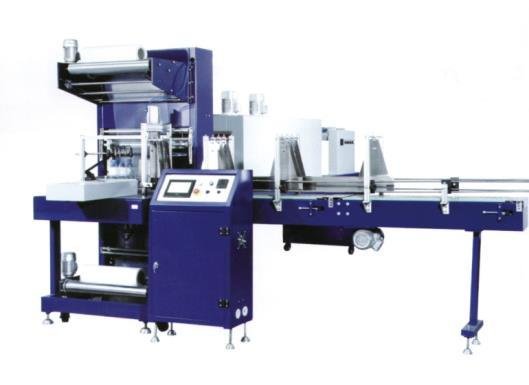
Catalog equipment images; separately confirm what the quotation includes.
Engineering decision guide
Continue the buyer decision path
Use these pages in sequence to understand, compare, plan, choose and prepare a project-specific request.
-
Hot Filling Machine
Assess the validated product process, actual temperature at the filler, hold conditions, container heat response and closure before specifying hot filling.
-
Beverage Filling Temperature: Measurement Points and Stop Checks
There is no universal filling temperature for every beverage. Define the product, filling route and package first, then identify where and when each temperature is measured. A tank reading is not proof of the condition at the filling valve or after closure.
-
Hot-Fill PET Bottles: Deformation, Vacuum and Closure Checks
A PET bottle suitable for still water is not automatically suitable for hot filling. Obtain the bottle supplier's approved hot-fill duty and evaluate the bottle, cap, filling and cooling process as a system. Resin name or bottle weight alone does not demonstrate thermal or vacuum resistance.
-
Filling Machine Technical Specification Checklist
Create one controlled specification covering duty, formats, output, interfaces, utilities, materials, controls, tests, documents and exclusions.
-
Request a Filling Machine Recommendation
Send a structured machine brief with the known product, package, output, site and project facts, while marking unknowns openly.
Continue the same-language review
Juice and Tea Filling Machines: Temperature, Pulp and PET Checks
A hot-fill route for juice or tea requires a qualified product process and a compatible bottle and cap. Check recipe, particles, viscosity and actual temperature conditions before matching an RXGF reference; the filler alone does not validate shelf life.
Open guideCarbonated Beverage Filling Machines: CO₂, Foam and Output Checks
Start carbonated beverage selection with an isobaric filling review that links dissolved CO₂, product temperature, pressure balance and the package. Evaluate foam losses and accepted output together; nominal bottle speed is not proof of stable carbonation.
Open guideFoaming During Beverage Filling: Find the Cause Before Changing Settings
First locate the foam: product inlet, bottle filling, pressure release or capping. Compare like-for-like batches and change only an approved variable at a time. Carbonated and still beverages need different checks; pressure changes are not a universal remedy.
Open guideBuyer questions
Frequently asked questions
Can the tank display replace a filling-point measurement?
Not without demonstrating the relationship under the specified operating conditions. Transfers, stops and measurement methods can produce different readings.
Should a hot-fill temperature be copied from another juice?
No. Use the qualified process for the actual recipe, bottle and closure, reviewed by the responsible process team.
Last reviewed:
Engineering decision guide
Build a review brief for Beverage Filling Temperature: Measurement Points and Stop Checks
Share the verified facts and open questions. Allot Tech can then prepare a preliminary, project-specific review without inventing missing inputs.