
Filling technology selection
Hot Filling Machine Selection Guide
A hot filling machine must work within a validated beverage process: preparation, temperature at filling, package exposure, any required hold or inversion, and controlled cooling. A hot-fill label alone does not establish shelf life or package suitability. Start with the product process and actual bottle/cap specification, then match the juice and tea machine configuration.
Request a Machine Configuration Review
Machine selection and configuration
Specify the Thermal Boundary, Not One Temperature
| Stage | Record in the specification | Responsibility to assign |
|---|---|---|
| Preparation | Recipe, relevant product properties and validated thermal process. | Product/process specialist and preparation equipment; no safe recipe inferred from the filler label. |
| Filler inlet and valve | Operating window, measurement location and out-of-window product handling. | Instruments, control, alarms and approved stop/restart procedure. |
| Bottle and closure | Heat-resistance evidence, drawings, fill and headspace requirements. | Package supplier confirmation and trials through the actual thermal cycle. |
| After capping | Any required validated hold/inversion with timing and temperature basis. | List equipment as included, optional or supplied by others. |
| Cooling/discharge | Approved cooling profile and required downstream handoff condition. | Cooling module, water/utilities, bottle stability and transfer owner. |
| Cleaning/product change | Product-contact path, cleaning interface and change requirements. | Cleaning-system boundary and validation separate from machine purchase. |
Machine selection and configuration
What the Hot-Fill Package Trial Must Resolve
Planning checklist only. Limits and test conditions come from the approved process and package specification.
| Observe | Investigate | Record with the result |
|---|---|---|
| Deformation or paneling | Heat resistance, headspace/vacuum response and cooling behavior. | Bottle version, fill condition, time sequence and inspection point. |
| Closure seal | Cap/neck compatibility through heating and cooling. | Closure specification, application settings and approved seal/leak test. |
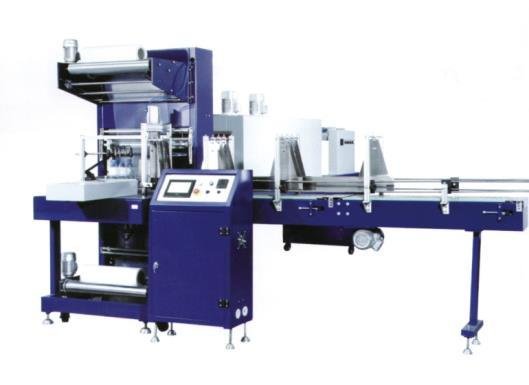
| Unstable transfer | Bottle condition, conveyor settings and discharge temperature. | Measured handoff conditions and retained labeler/packer requirements. |
| Stop and restart | Recovery and handling outside the approved process window. | Demonstrated alarms, operator actions and disposition procedure. |
Machine selection and configuration
Continue Your Machine Selection
Compare RXGF models
Use the catalog table and bottle envelope, then confirm the thermal configuration for your product.
Compare RXGF modelsHeat-resistant PET requirements
Check package evidence before treating a cold-fill bottle as hot-fill compatible.
Heat-resistant PET requirementsSpecify temperature correctly
Distinguish preparation conditions from temperature at the filler and later stages.
Specify temperature correctlyCatalog equipment evidence
Hot-Fill Process Sequence References
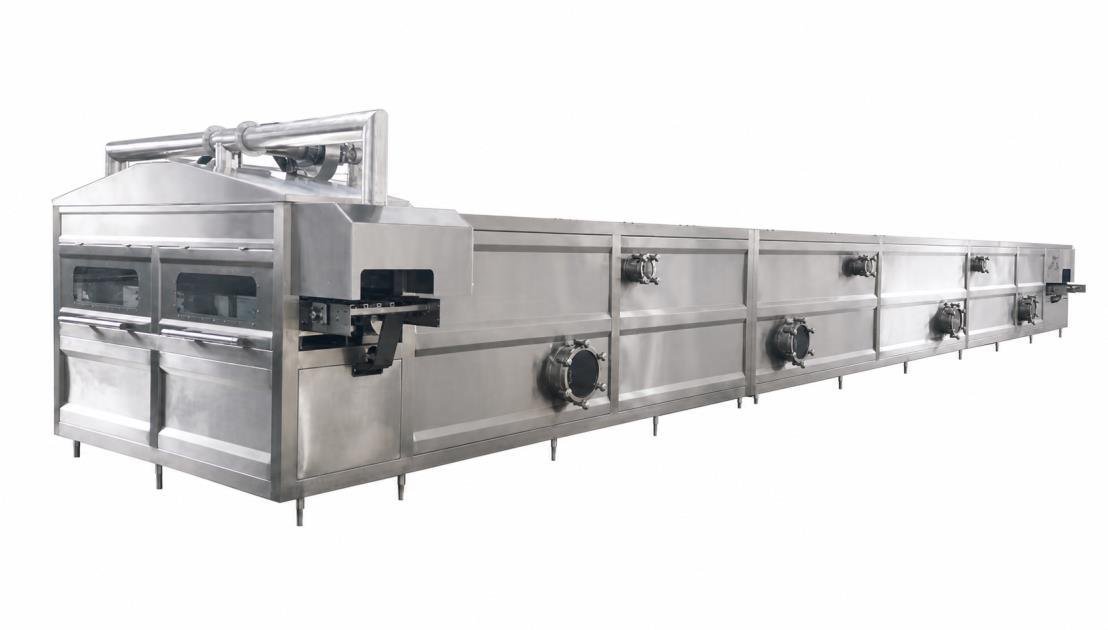
Review preparation, the validated hot-fill step and cooling as one thermal and package-handling sequence.

Engineering decision guide
Continue the buyer decision path
Use these pages in sequence to understand, compare, plan, choose and prepare a project-specific request.
-
Beverage Filling Machines
Compare filling machine families by beverage behavior, filling basis, package handling and the interfaces required around the filler.
-
Hot Filling Machine
Assess the validated product process, actual temperature at the filler, hold conditions, container heat response and closure before specifying hot filling.
-
Filling Machine Technical Specification Checklist
Create one controlled specification covering duty, formats, output, interfaces, utilities, materials, controls, tests, documents and exclusions.
-
Filling Machine Selector
Generate a preliminary technology route from beverage, process, package and output inputs, then verify open assumptions with an engineer.
-
Request a Filling Machine Recommendation
Send a structured machine brief with the known product, package, output, site and project facts, while marking unknowns openly.
Buyer questions
Frequently asked questions
What must be validated beyond the hot-fill temperature?
The complete basis includes temperature at the valve, package and closure response, hold or inversion, cooling, shelf-life process and cleaning method.
Does a hot filling machine guarantee product shelf life?
No. Shelf life depends on the validated recipe, thermal process, hygiene, closure, package, cooling, handling and distribution conditions. The filler is only one controlled part of that system.
Why is a cooling tunnel considered during hot-fill selection?
The cooling profile and discharge temperature affect bottle stability, vacuum response, label readiness and downstream handling, so the filler and cooling interface should be reviewed together.
What temperature should a hot filling machine use?
There is no universal safe setting for every beverage and package. Use a validated product process with a defined temperature window, measurement point and exposure sequence. The filler, bottle, cap and cooling equipment must meet that basis together. Hot filling is not the same as aseptic filling.
Last reviewed:
Next machine-selection action
Request a Configuration Based on Your Production Task
Send the beverage, bottle/cap drawings, production schedule, target accepted output and equipment you plan to retain. Allot Tech can review the machine scope and items requiring confirmation.