
Filling technology selection
Carbonated Beverage Filling Machines: CO₂, Foam and Output Checks
Start carbonated beverage selection with an isobaric filling review that links dissolved CO₂, product temperature, pressure balance and the package. Evaluate foam losses and accepted output together; nominal bottle speed is not proof of stable carbonation.
Request My DXGF Configuration
Machine selection and configuration
DXGF carbonated beverage filling machine model references
Catalog values use a 500 ml rating basis and list a 500-2,000 ml PET range, H170-320 mm and diameter 50-115 mm. Sustainable output depends on actual filler-inlet temperature, dissolved CO2, pressure sequence, foam behavior and package suitability.
| Catalog model | Reference capacity | Machine size | Weight | Power |
|---|---|---|---|---|
| DXGF14-12-5 | 4,000 BPH | L2360-W1770-H2700 mm | 2,800 kg | 2.42 kW |
| DXGF16-16-5 | 5,000 BPH | L2760-W2060-H2700 mm | 3,800 kg | 3.12 kW |
| DXGF24-24-8 | 8,000 BPH | L2800-W2230-H2700 mm | 4,800 kg | 3.92 kW |
| DXGF32-32-8 | 10,000 BPH | L4215-W2960-H2700 mm | 5,800 kg | 4.92 kW |
| DXGF40-40-12 | 13,000 BPH | L4360-W3300-H2700 mm | 6,800 kg | 7.30 kW |
| DXGF50-50-12 | 18,000 BPH | L5900-W4123-H2700 mm | 8,600 kg | 7.87 kW |
| DXGF60-60-15 | 21,000 BPH | L5770-W5288-H2700 mm | 10,800 kg | 11.00 kW |
| DXGF72-72-18 | 28,000 BPH | L6540-W4900-H2700 mm | 12,800 kg | 11.40 kW |
Solve the operating problem before selecting a model
| Problem or selection risk | What to check and record |
|---|---|
| Foam at filling or pressure release | Log product temperature, approved pressure conditions and foam location. Ask engineering to review balance and release sequence; do not copy another machine's settings. |
| Low carbonation after capping | Compare CO₂ measurements before filling and after closure using the same method. Check delays, foam loss and closure leaks before blaming the carbonator. |
| Glass or PET package change | Provide pressure-rated bottle and closure drawings. Verify handling parts, filling route and acceptance tests for each format. |
Evidence to include in the machine inquiry
Send the beverage specification, inlet temperature and CO₂ ranges, bottle/cap approval, foam or loss records and accepted-output target. Separate mixer, chiller and filler responsibilities in writing.
Catalog features and project configuration
What the DXGF Configuration Means for Your Project
Catalog pages 11–12 describe these DXGF features. Product-contact stainless steel is mentioned without establishing a specific grade for every project.
| Catalog reference | What it addresses | What the proposal must confirm |
|---|---|---|
| Neck-handling arrangement | Bottle support and transfer through the machine | Confirm the neck finish, support ring, bottle weight and pressure suitability. |
| Liquid-level sensing and cylinder-operated valves | Filling-control features described in the catalog | Agree the pressure sequence, foam response and fill acceptance on the actual beverage. |
| Magnetic constant-torque capping, cap-feed lift and overload protection | Closure and cap-supply reference features | Verify the supplied capper, cap drawings, torque window and fault/restart behavior in the proposal. |
Make quotations comparable
Define the Equipment Supply Boundary
| Equipment block | Information to agree | Scope boundary |
|---|---|---|
| Prepared carbonated product | Temperature, dissolved CO2, inlet pressure and stable supply | Mixing, carbonation, chilling and buffer equipment must be itemized separately. |
| DXGF monoblock | Agreed PET package, isobaric filling and closure arrangement | Define pressure controls, product loss, foam and fill-quality acceptance for the test. |
| Downstream transfer | Stable capped bottles at the specified discharge condition | Warming, drying, coding, labeling and packing require explicit inclusion if needed. |
Machine selection and configuration
Inputs to confirm before configuration
- Beverage recipe and dissolved CO2 target
- Product temperature at the filler inlet
- Supply pressure, buffer and carbonation basis
- Bottle and cap pressure suitability
- Foam and fill-level acceptance criteria
- Reference output and downstream stabilization
Machine selection and configuration
Resolve the engineering questions before requesting a model
Foaming beverage filling guide
Document inlet temperature, dissolved CO2 and stop/restart conditions before evaluating losses.
Foaming beverage filling guideIsobaric filling machine selection
Review pressure balance and controlled pressure release for the product and PET package.
Isobaric filling machine selectionFilling machine utility requirements
Define the product, cooling, gas, electrical and cleaning interfaces separately from catalog power.
Filling machine utility requirementsCatalog equipment evidence
Carbonated Beverage Line Interfaces
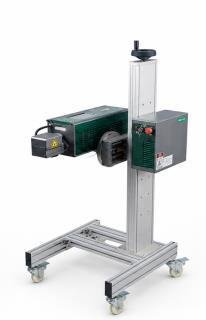
Prepared product condition, pressure-controlled filling, package coding and secondary packing must be balanced on the same sustainable-output basis.


Engineering decision guide
Continue the buyer decision path
Use these pages in sequence to understand, compare, plan, choose and prepare a project-specific request.
-
Carbonated Beverage Filling Machines: CO₂, Foam and Output Checks
Start carbonated beverage selection with an isobaric filling review that links dissolved CO₂, product temperature, pressure balance and the package. Evaluate foam losses and accepted output together; nominal bottle speed is not proof of stable carbonation.
-
Filling Technology Comparison
Compare gravity, hot-fill and isobaric routes against the same product, package, acceptance and cleaning facts.
-
Filling Machine Capacity Guide
Define required saleable output by bottle size, product, shift pattern and planned efficiency before comparing nominal machine rates.
-
Filling Machine Selector
Generate a preliminary technology route from beverage, process, package and output inputs, then verify open assumptions with an engineer.
-
Request a Filling Machine Recommendation
Send a structured machine brief with the known product, package, output, site and project facts, while marking unknowns openly.
Buyer questions
Frequently asked questions
Can one pressure setting serve all soft drinks?
No. Product, temperature, carbonation, package and machine design determine the reviewed operating conditions.
Is the DXGF catalog output the sellable output?
It is a reference, not an accepted-output guarantee. Define rejects, stops and product/package conditions in the test plan.
Last reviewed:
Next machine-selection action
Request a DXGF Machine Configuration
Provide the beverage condition, bottle and cap drawings, required output for each size, utilities and destination. Identify any preparation or packing equipment you want included.