
Engineering decision guide
Filling Juice with Pulp: Blockage, Settling and Dose Consistency
A drink described as juice with pulp is not a complete filling specification. Identify the particle size distribution, concentration, shape and flow behavior at filling conditions. Review the full product path and test both liquid quantity and solids consistency; nominal valve passage alone cannot establish suitability.
Request a machine review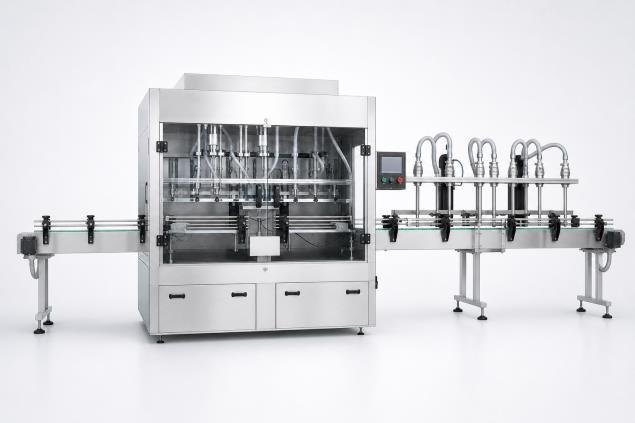
Trace the problem before changing the process
| Problem or selection risk | What to check and record |
|---|---|
| Valves block intermittently | Compare the largest actual particles, clusters and fibers with all restrictions in the feed, valve and nozzle. Have the supplier review the passage path; do not bypass protective devices. |
| Pulp settles before filling | Record where and after how long separation appears, including line stops. Ask for a product-specific handling review; changing agitation can also change foam or damage particles. |
| Bottles contain different amounts of pulp | Sample bottles by valve position and time on the same batch. Record liquid fill and solids using an agreed method, including start, steady running and restart. |
A practical record to compare batches and quotations
| Record field | What to include |
|---|---|
| Particle population | Size distribution, shape, fibers, clusters and sampling method. |
| Product condition | Solids concentration and viscosity at the recorded temperature. |
| Flow and waiting | Feed path, settling observation, stop duration and restart. |
| Trial acceptance | Agreed liquid/solids measures, bottle sample plan and rejects. |
Evidence to include in the machine inquiry
Provide representative product samples, particle data, packaging drawings and acceptance criteria. Request a witnessed or documented product trial; a standard RXGF reference is not automatic approval for every pulpy beverage.
Buyer decision worksheet
Define the particle passage before choosing a filling concept
Particle-bearing beverages need more than a maximum particle dimension. Shape, concentration, settling, fragility and the complete product path must be reviewed together so a trial can reproduce the real duty.
| Decision point | Evidence to record | Why it changes the filling-machine review |
|---|---|---|
| Particle distribution | Record typical and maximum dimensions, shape, concentration and whether the pieces are soft, fibrous or fragile. | One maximum dimension does not describe bridging, damage or distribution during filling. |
| Suspension behavior | Describe settling time, flotation, separation and the mixing or recirculation used before the filler. | The feed condition affects whether containers receive a representative product mix. |
| Product path | Review the smallest controlled passage through tanks, pumps, pipework, manifolds and valves. | Suitability depends on the complete path, not the outlet nozzle alone. |
| Acceptance sample | Define how particle count, product damage, fill result and container-to-container variation will be checked. | A written sampling method turns a visual impression into an agreed test basis. |
Common particle-filling specification gaps
- Stating only "contains pulp" without size distribution or concentration.
- Measuring a nozzle while ignoring pumps, manifolds and other restrictions.
- Testing a settled sample that does not match the planned production feed condition.
- Accepting average fill weight without checking particle distribution or damage.
Particle-product evidence to send
- Typical and maximum particle dimensions, shape and concentration.
- Settling or flotation observations and feed-tank agitation method.
- Product viscosity and temperature measurement basis.
- Container opening and target fill basis.
- Cleaning and product-change procedure for the full contact path.
- Representative sample quantity and written acceptance checks.
Keep unknown items visible in the RFQ. Final machine suitability, settings and acceptance conditions belong in the project-specific technical proposal and test plan.

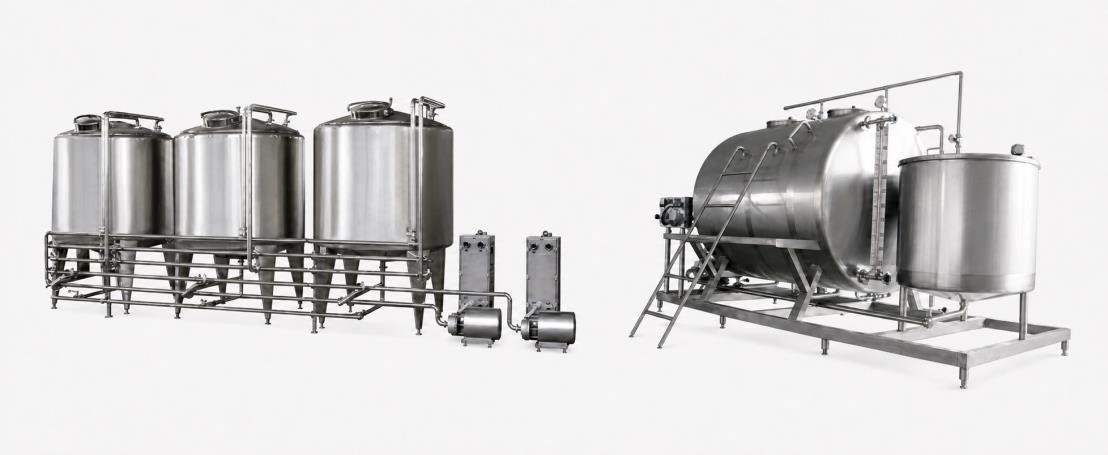
Catalog equipment images; separately confirm what the quotation includes.
Engineering decision guide
Continue the buyer decision path
Use these pages in sequence to understand, compare, plan, choose and prepare a project-specific request.
-
Juice and Tea Filling Machines: Temperature, Pulp and PET Checks
A hot-fill route for juice or tea requires a qualified product process and a compatible bottle and cap. Check recipe, particles, viscosity and actual temperature conditions before matching an RXGF reference; the filler alone does not validate shelf life.
-
Filling Juice with Pulp: Blockage, Settling and Dose Consistency
A drink described as juice with pulp is not a complete filling specification. Identify the particle size distribution, concentration, shape and flow behavior at filling conditions. Review the full product path and test both liquid quantity and solids consistency; nominal valve passage alone cannot establish suitability.
-
Beverage Filling Valve Selection Guide
Review product flow, carbonation, foam, particles, filling basis, container interface and cleanability before evaluating valve concepts.
-
Filling Machine CIP Interface
Define CIP supply, return, circuits, flow basis, temperature, chemistry, drainage, controls and verification at the filler boundary.
-
Request a Filling Machine Recommendation
Send a structured machine brief with the known product, package, output, site and project facts, while marking unknowns openly.
Continue the same-language review
Juice and Tea Filling Machines: Temperature, Pulp and PET Checks
A hot-fill route for juice or tea requires a qualified product process and a compatible bottle and cap. Check recipe, particles, viscosity and actual temperature conditions before matching an RXGF reference; the filler alone does not validate shelf life.
Open guideBeverage Filling Viscosity Guide
Provide measured viscosity with test temperature and method so flow behavior, valve review, filling time and cleaning can be assessed.
Open guideBeverage Filling Valve Selection Guide
Review product flow, carbonation, foam, particles, filling basis, container interface and cleanability before evaluating valve concepts.
Open guideBuyer questions
Frequently asked questions
Is maximum particle size enough to choose a filling valve?
No. Shape, clustering, concentration, flow behavior and every restriction in the product path also matter.
Does a clear-juice trial prove pulp compatibility?
No. Trials must use representative solids and the actual package, including agreed stop and restart conditions.
Last reviewed:
Engineering decision guide
Build a review brief for Filling Juice with Pulp: Blockage, Settling and Dose Consistency
Share the verified facts and open questions. Allot Tech can then prepare a preliminary, project-specific review without inventing missing inputs.