
Engineering decision guide
Filling Machine CIP Interface
CIP capability is not assumed for every machine and must be confirmed in the technical scope and cleaning validation plan.
Request a machine review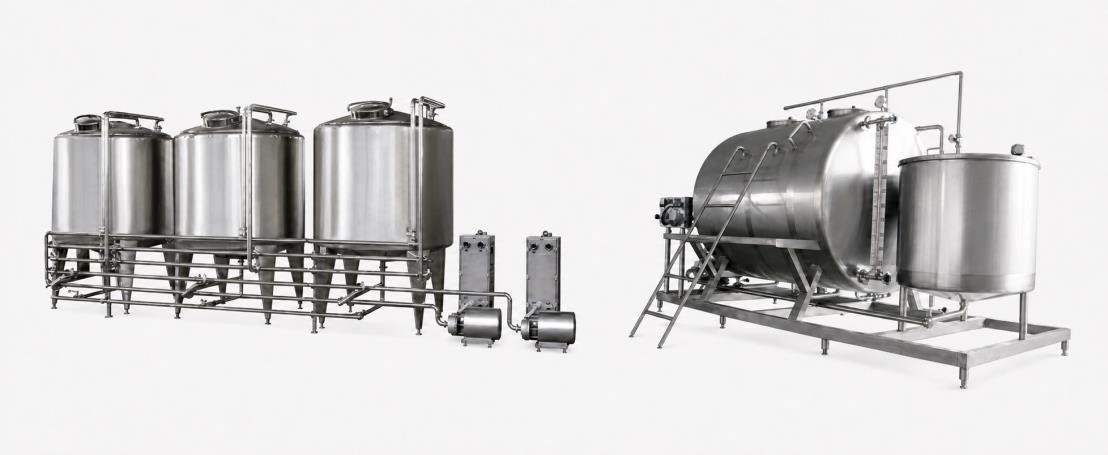


CIP capability is not assumed for every machine and must be confirmed in the technical scope and cleaning validation plan.
Short answer
Filling Machine CIP Interface
Define CIP supply, return, circuits, flow basis, temperature, chemistry, drainage, controls and verification at the filler boundary.
Decision boundary
CIP capability is not assumed for every machine and must be confirmed in the technical scope and cleaning validation plan.
Engineering decision guide
Inputs to confirm before quotation
Use measured or controlled project data. Mark an item as open when it is not yet known instead of guessing.
CIP supply and return interfaces
Record the verified project value for CIP supply and return interfaces and identify its source, revision or test condition.
cleaning method and validation basis
Record the verified project value for cleaning method and validation basis and identify its source, revision or test condition.
required flow and return basis
Record the verified project value for required flow and return basis and identify its source, revision or test condition.
drainage points, capacity and routing
Record the verified project value for drainage points, capacity and routing and identify its source, revision or test condition.
cleaning and restart verification method
Record the verified project value for cleaning and restart verification method and identify its source, revision or test condition.
A practical selection method
Keep the decision traceable from input evidence to proposal and acceptance.
- Freeze the operating case
List every product, package and output case that the machine must handle. Separate required cases from future possibilities. - Close interface gaps
Exchange controlled drawings, samples, utility data and signal lists. Record each unresolved item as an explicit assumption. - Compare on one acceptance basis
Require suppliers to state inclusions, exclusions, test conditions and deviations against the same project brief.
Evidence boundary
This page supports an early engineering decision. It does not replace product trials, approved drawings or a signed technical proposal.
- Do not infer a machine model, performance value or material grade from a general guide.
- Treat missing product, package and site data as open actions rather than supplier assumptions.
- Confirm final scope, tests and guarantees in project-specific documents.
Buyer decision worksheet
Write the CIP boundary before comparing machine scope
"CIP ready" is not a complete interface definition. Identify which product-contact paths are included, where supply and return connect, how each circuit drains and who owns the cleaning recipe and verification.
| Decision point | Evidence to record | Why it changes the filling-machine review |
|---|---|---|
| Circuit boundary | List every included tank, manifold, valve, return path and excluded connection on a marked flow diagram. | The same phrase can hide different cleaning scopes and responsibility gaps. |
| Supply and return | Define connection points, available flow and pressure basis, return condition, drainage and any recovery interface. | The installed utility must be able to serve the proposed circuit under agreed conditions. |
| Recipe ownership | Identify who supplies the approved time, temperature, chemistry and sequence for each product family. | The machine supplier should not invent the process owner's cleaning validation criteria. |
| Control and verification | Specify valve feedback, interlocks, records, sampling points and the evidence required at FAT and site. | Automation and records determine whether the planned sequence can be demonstrated and repeated. |
CIP scope gaps that surface after installation
- Using "CIP included" without a circuit drawing or battery limits.
- Assuming the site supply and return conditions match the machine proposal.
- Leaving the cleaning recipe owner and validation method unnamed.
- Testing valve movement without proving circulation, drainage and records.
CIP interface schedule
- Marked product-contact and CIP flow diagram.
- Supply, return, drain and recovery connection schedule.
- Available site utility conditions and responsibility owner.
- Approved cleaning recipes or clearly identified open inputs.
- Instrumentation, interlock and record requirements.
- FAT and site verification method for each included circuit.
Keep unknown items visible in the RFQ. Final machine suitability, settings and acceptance conditions belong in the project-specific technical proposal and test plan.
Engineering decision guide
Continue the buyer decision path
Use these pages in sequence to understand, compare, plan, choose and prepare a project-specific request.
-
Beverage Filler Hygienic Design Checklist
Review the product-contact path, access, drainage, surface condition, seals, dead zones and cleaning verification against the actual duty.
-
Filling Machine CIP Interface
Define CIP supply, return, circuits, flow basis, temperature, chemistry, drainage, controls and verification at the filler boundary.
-
Beverage Filler Product Changeover
Define draining, recovery, rinsing, cleaning, verification and restart for each product transition before setting the operating plan.
-
Filling Machine Technical Specification Checklist
Create one controlled specification covering duty, formats, output, interfaces, utilities, materials, controls, tests, documents and exclusions.
-
Request a Filling Machine Recommendation
Send a structured machine brief with the known product, package, output, site and project facts, while marking unknowns openly.
Continue the same-language review
Beverage Filler Hygienic Design Checklist
Review the product-contact path, access, drainage, surface condition, seals, dead zones and cleaning verification against the actual duty.
Open guideBeverage Filler Product Changeover
Define draining, recovery, rinsing, cleaning, verification and restart for each product transition before setting the operating plan.
Open guideFilling Machine Utility Requirements
Confirm available power, compressed air, process water, cleaning media, drainage and site conditions before utility design is approved.
Open guideBuyer questions
Frequently asked questions
What should be confirmed first for Filling Machine CIP Interface?
Start with these controlled inputs: CIP supply and return interfaces, cleaning method and validation basis, required flow and return basis, drainage points, capacity and routing, cleaning and restart verification method. Add drawings, samples and test data wherever they affect the decision.
Does this Filling Machine CIP Interface page guarantee a machine specification?
No. It provides preliminary selection guidance. Final configuration, performance, scope, price and schedule require project-specific confirmation. CIP capability is not assumed for every machine and must be confirmed in the technical scope and cleaning validation plan.
What should I send for an engineering review of Filling Machine CIP Interface?
Send the known product, package, output, site and destination facts, plus the current drawings or samples. Clearly label every unknown.
Last reviewed:
Engineering decision guide
Build a review brief for Filling Machine CIP Interface
Share the verified facts and open questions. Allot Tech can then prepare a preliminary, project-specific review without inventing missing inputs.