
Engineering decision guide
Hot-Fill PET Bottles: Deformation, Vacuum and Closure Checks
A PET bottle suitable for still water is not automatically suitable for hot filling. Obtain the bottle supplier's approved hot-fill duty and evaluate the bottle, cap, filling and cooling process as a system. Resin name or bottle weight alone does not demonstrate thermal or vacuum resistance.
Request a machine review
Trace the problem before changing the process
| Problem or selection risk | What to check and record |
|---|---|
| The bottle distorts during filling | Compare the actual bottle lot and process profile with supplier-approved conditions. Record when distortion starts, volume and neck condition; do not solve it by arbitrarily changing a validated temperature. |
| Panels pull inward during cooling | Document the approved bottle design, headspace, closure timing and cooling profile. Ask the package/process team to separate expected vacuum response from unacceptable deformation. |
| The neck or closure leaks after cooling | Check neck-finish and cap revisions, seal design, application conditions and leak results before and after cooling. Do not simply tighten harder or substitute an unapproved cap. |
A practical record to compare batches and quotations
| Record field | What to include |
|---|---|
| Package revision | Bottle drawing, neck finish, cap/seal drawing and lot. |
| Approved duty | Supplier's hot-fill and vacuum requirements; unresolved limits. |
| Thermal sequence | Filling, closure, any approved holding and cooling profile. |
| Trial result | Dimensions, visible distortion and agreed leak checks after cooling. |
Evidence to include in the machine inquiry
Send bottle/cap approvals, drawings and a recorded thermal sequence with samples from before and after cooling. Agree the package acceptance criteria; neither a filler catalog nor a cooling-tunnel photograph validates shelf life.
Buyer decision worksheet
Review hot-fill PET as a process-package system
The filler cannot approve a PET bottle design by itself. The validated thermal process, bottle heat response, vacuum behavior, neck stability, closure and downstream cooling sequence need one shared review.
| Decision point | Evidence to record | Why it changes the filling-machine review |
|---|---|---|
| Validated thermal duty | Record product temperature at the filler reference point, its range, hold basis and start-up condition. | The bottle and filler must be assessed against the real thermal exposure rather than a generic hot-fill label. |
| Bottle response | Provide supplier drawings and evidence for panel movement, vacuum response, base stability and handling surfaces. | Deformation can affect transfer, fill inspection, capping and downstream presentation. |
| Neck and closure | Confirm neck-finish stability, closure specification, application method and inspection basis. | A sound bottle body does not by itself prove the closure interface will remain controlled. |
| Post-fill sequence | Define inversion if used, dwell, cooling, conveyor support and the handoff to labeling or packing. | The container continues to change after filling, so downstream timing belongs in the package review. |
Hot-fill PET assumptions that require evidence
- Using a generic temperature rating without the bottle supplier and process owner agreeing the duty.
- Checking the bottle body while omitting neck, cap and base behavior.
- Ignoring start-up, line stops and the time before cooling.
- Treating a representative image as proof that a package is approved.
Hot-fill PET review pack
- Validated filling-temperature window and reference point.
- Bottle and neck drawings with supplier revision.
- Bottle heat and vacuum response evidence supplied by the package owner.
- Closure drawing and capping inspection method.
- Post-fill inversion, dwell and cooling sequence.
- Physical sample and trial acceptance plan.
Keep unknown items visible in the RFQ. Final machine suitability, settings and acceptance conditions belong in the project-specific technical proposal and test plan.
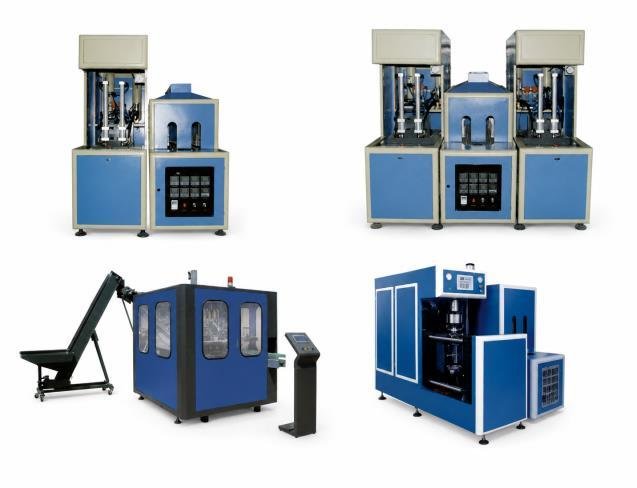
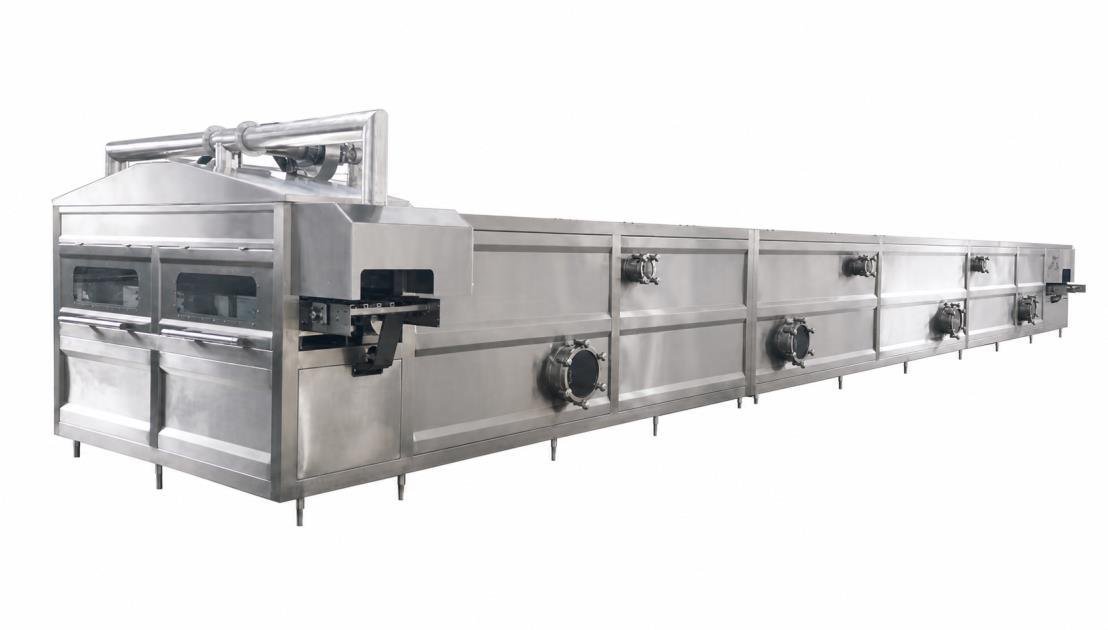
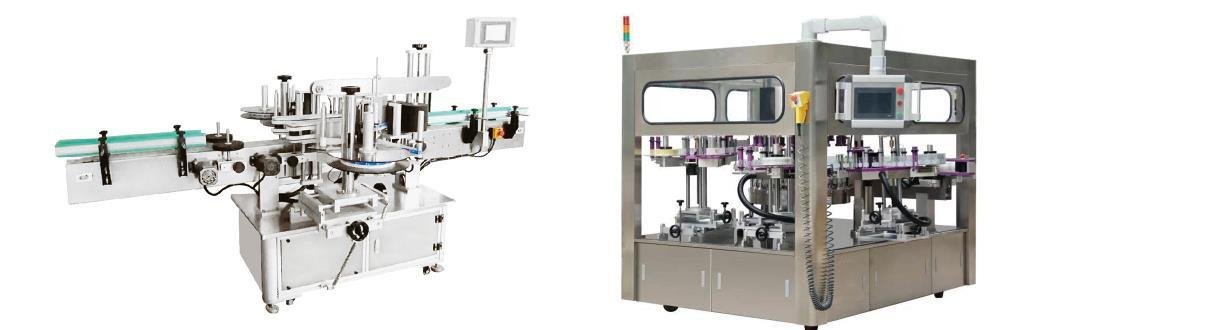
Catalog equipment images; separately confirm what the quotation includes.
Engineering decision guide
Continue the buyer decision path
Use these pages in sequence to understand, compare, plan, choose and prepare a project-specific request.
-
Hot Filling Machine
Assess the validated product process, actual temperature at the filler, hold conditions, container heat response and closure before specifying hot filling.
-
Hot-Fill PET Bottles: Deformation, Vacuum and Closure Checks
A PET bottle suitable for still water is not automatically suitable for hot filling. Obtain the bottle supplier's approved hot-fill duty and evaluate the bottle, cap, filling and cooling process as a system. Resin name or bottle weight alone does not demonstrate thermal or vacuum resistance.
-
Beverage Filling Temperature: Measurement Points and Stop Checks
There is no universal filling temperature for every beverage. Define the product, filling route and package first, then identify where and when each temperature is measured. A tank reading is not proof of the condition at the filling valve or after closure.
-
Bottle and Cap Drawings: Prevent Leaks and Changeover Mismatch
A bottle volume and a nominal cap diameter do not define a compatible package. Match controlled bottle and closure drawings, including neck finish, sealing surfaces and tolerances. Verify the actual samples against those revisions before reviewing handling parts, capping conditions and acceptance tests.
-
Request a Filling Machine Recommendation
Send a structured machine brief with the known product, package, output, site and project facts, while marking unknowns openly.
Continue the same-language review
Juice and Tea Filling Machines: Temperature, Pulp and PET Checks
A hot-fill route for juice or tea requires a qualified product process and a compatible bottle and cap. Check recipe, particles, viscosity and actual temperature conditions before matching an RXGF reference; the filler alone does not validate shelf life.
Open guideBeverage Filling Temperature: Measurement Points and Stop Checks
There is no universal filling temperature for every beverage. Define the product, filling route and package first, then identify where and when each temperature is measured. A tank reading is not proof of the condition at the filling valve or after closure.
Open guideBottle and Cap Drawings: Prevent Leaks and Changeover Mismatch
A bottle volume and a nominal cap diameter do not define a compatible package. Match controlled bottle and closure drawings, including neck finish, sealing surfaces and tolerances. Verify the actual samples against those revisions before reviewing handling parts, capping conditions and acceptance tests.
Open guideBuyer questions
Frequently asked questions
Can bottle weight confirm hot-fill suitability?
No. Obtain approval for the actual bottle design, material processing, closure and thermal duty.
Is every cooling panel movement a defect?
Not necessarily. Some approved bottles accommodate vacuum by design; assess movement against the package specification, not appearance alone.
Last reviewed:
Engineering decision guide
Build a review brief for Hot-Fill PET Bottles: Deformation, Vacuum and Closure Checks
Share the verified facts and open questions. Allot Tech can then prepare a preliminary, project-specific review without inventing missing inputs.