
Filling technology selection
Gravity Filling Machine Application Guide
Gravity filling uses a liquid head to move product into the container while displaced air leaves through the designed vent path. It is a route to investigate for compatible still, low-viscosity beverages. The valve and stop method—not the word gravity—determine fill control. Carbonation, foam, particles, thermal duty and hygiene protection require separate review.
Request a Machine Configuration ReviewMachine selection and configuration
What Happens During Gravity Filling?
Simplified explanation; the actual valve design and sequence vary by machine.
- Position the bottle at the valve or nozzle and establish the designed vent path.
- Open the product path. The liquid head drives flow while displaced gas leaves the bottle.
- Stop using the specified level, time or measurement arrangement. Gravity alone does not identify the measurement method.
- Close the product path and transfer for capping, checking drips, foam, fill acceptance and bottle stability.
Machine selection and configuration
Conditions That Change a Gravity-Filler Proposal
| Product condition | Why it matters | Evidence to request |
|---|---|---|
| Still water | Normal-pressure filling can be an appropriate starting route. | Bottle/cap compatibility and accepted output on the quoted configuration. |
| Foam or unstable venting | Foam and trapped gas can interrupt filling or distort an apparent level. | Actual-product trial with fill time, foam, reject and loss records. |
| Viscosity or particles | Flow time and valve/vent paths may not suit the product. | Properties and a valve review; do not assume all juice suits a water filler. |
| Dissolved CO2 | Normal-pressure transfer may cause excessive gas loss or foam. | Review isobaric filling, product temperature and pressure-controlled supply. |
| Hot or sensitive beverage | Thermal duty and hygiene are additional design questions. | Validated process and package/material compatibility, not a shelf-life claim. |
Machine selection and configuration
Equal Fill Height Does Not Prove Equal Volume
- Specify visible liquid height, delivered volume or mass as the acceptance quantity.
- State sample size, temperature basis and measurement method; bottle internal-volume variation can change the contents at the same level.
- Review neck geometry, venting, valve position and the actual cutoff mechanism.
- Test relevant bottle sizes rather than extrapolating results from one reference package.
Machine selection and configuration
Continue Your Machine Selection

XGF water filling machine models
Compare catalog-backed normal-pressure water models and their bottle/output basis.
XGF water filling machine modelsFill level vs fill volume
Define the measurement that matters for your bottle and product.
Fill level vs fill volumeFilling valve selection
Match product flow, venting, hygiene and the measurement method.
Filling valve selectionCatalog equipment evidence
Gravity Filling in Its Operating Context
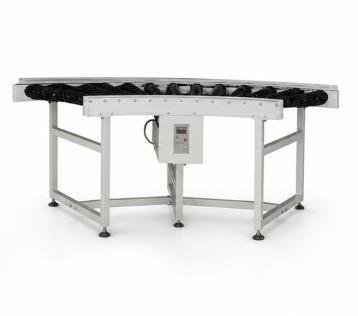
Product preparation and downstream container transfer remain part of a stable normal-pressure filling result.

Engineering decision guide
Continue the buyer decision path
Use these pages in sequence to understand, compare, plan, choose and prepare a project-specific request.
-
Beverage Filling Machines
Compare filling machine families by beverage behavior, filling basis, package handling and the interfaces required around the filler.
-
Gravity Filling Machine
Consider a gravity filling route for suitable free-flowing, non-carbonated products only after viscosity, foam and fill-basis requirements are checked.
-
Filling Machine Technical Specification Checklist
Create one controlled specification covering duty, formats, output, interfaces, utilities, materials, controls, tests, documents and exclusions.
-
Filling Machine Selector
Generate a preliminary technology route from beverage, process, package and output inputs, then verify open assumptions with an engineer.
-
Request a Filling Machine Recommendation
Send a structured machine brief with the known product, package, output, site and project facts, while marking unknowns openly.
Buyer questions
Frequently asked questions
What can make a still beverage unsuitable for simple gravity filling?
High viscosity, particles, foaming, oxygen sensitivity, difficult venting or a demanding fill-control requirement can require another valve or filling approach.
Which beverages can be reviewed for gravity filling?
Suitable still, free-flowing products may begin with a gravity or normal-pressure review. Actual viscosity, foam, particles, temperature, container venting and hygiene needs must still be confirmed.
Can a gravity filling machine fill carbonated drinks?
A standard normal-pressure route is not the usual starting point for a carbonated beverage because uncontrolled pressure release can cause foam and CO2 loss. Review an isobaric route instead.
Does gravity filling always fill by level?
No. Gravity describes the driving principle, not every control mechanism. The specified valve and cutoff may use a level, time or measurement arrangement. Ask how the proposed machine stops filling and how acceptance is measured.
Last reviewed:
Next machine-selection action
Request a Configuration Based on Your Production Task
Send the beverage, bottle/cap drawings, production schedule, target accepted output and equipment you plan to retain. Allot Tech can review the machine scope and items requiring confirmation.