
Engineering decision guide
Bottle and Cap Drawings: Prevent Leaks and Changeover Mismatch
A bottle volume and a nominal cap diameter do not define a compatible package. Match controlled bottle and closure drawings, including neck finish, sealing surfaces and tolerances. Verify the actual samples against those revisions before reviewing handling parts, capping conditions and acceptance tests.
Request a machine review
Trace the problem before changing the process
| Problem or selection risk | What to check and record |
|---|---|
| A cap fits but the package leaks | Review the bottle sealing surface, closure seal/liner and approved application window together. Compare leak results by bottle and cap lot; nominal diameter alone cannot establish a seal. |
| New bottles jam after changeover | Check total height, diameter envelope, neck/support ring and the supplier-reviewed handling interfaces. Distinguish an incorrect format setup from bottles outside drawing tolerances. |
| The quotation refers to different revisions | Create one controlled bottle/cap revision list with sample IDs. Require written confirmation of included formats, change parts and unresolved tolerances before treating quotations as comparable. |
A practical record to compare batches and quotations
| Record field | What to include |
|---|---|
| Controlled identity | Drawing numbers, revision dates, supplier and sample lot IDs. |
| Neck and sealing | Neck finish, support ring, threads and sealing/liner geometry. |
| Handling envelope | Height, body diameter, tolerances and format-part interfaces. |
| Acceptance basis | Approved capping window, leak method and pass/fail criteria. |
Evidence to include in the machine inquiry
Send dimensioned bottle and cap drawings and representative samples together. State units and datum references, list each SKU and retain unknown dimensions as open items. Agree who approves package compatibility and changeover acceptance.
Buyer decision worksheet
Control the bottle-and-cap interface with drawings and samples
A bottle volume and cap name are not enough to approve handling or capping. Use controlled drawings, tolerance information and representative samples to define the interface before change parts are finalized.
| Decision point | Evidence to record | Why it changes the filling-machine review |
|---|---|---|
| Drawing control | Provide bottle, neck and closure drawings with owner, revision and unit system clearly identified. | An obsolete or mixed revision can produce the wrong transfer or capping parts. |
| Critical geometry | Mark the neck finish, support surfaces, overall height, diameter profile, base and closure engagement features. | Different stations depend on different datums; one overall dimension cannot define them all. |
| Tolerance and variation | State controlled tolerances and distinguish design limits from measurements taken on a few samples. | Change parts must accommodate the approved production range, not only the best sample. |
| Samples and verification | Supply representative bottles and caps from production tooling and agree inspection or capping checks. | Physical samples help expose feeding, pickup, torque and handling issues that drawings may not show. |
Drawing-package mistakes that delay machine approval
- Sending an image or marketing sheet instead of a controlled dimensional drawing.
- Combining dimensions from different bottle or closure revisions.
- Leaving tolerance, datum or measurement units unclear.
- Approving format parts before representative production samples are available.
Bottle-and-cap file checklist
- Bottle, preform or container drawing with revision and units.
- Neck-finish detail and transfer/support geometry.
- Closure drawing, material description and feeding orientation.
- Approved tolerances and sample measurement record.
- Number of formats and required changeover relationship.
- Representative bottle and cap sample plan.
Keep unknown items visible in the RFQ. Final machine suitability, settings and acceptance conditions belong in the project-specific technical proposal and test plan.
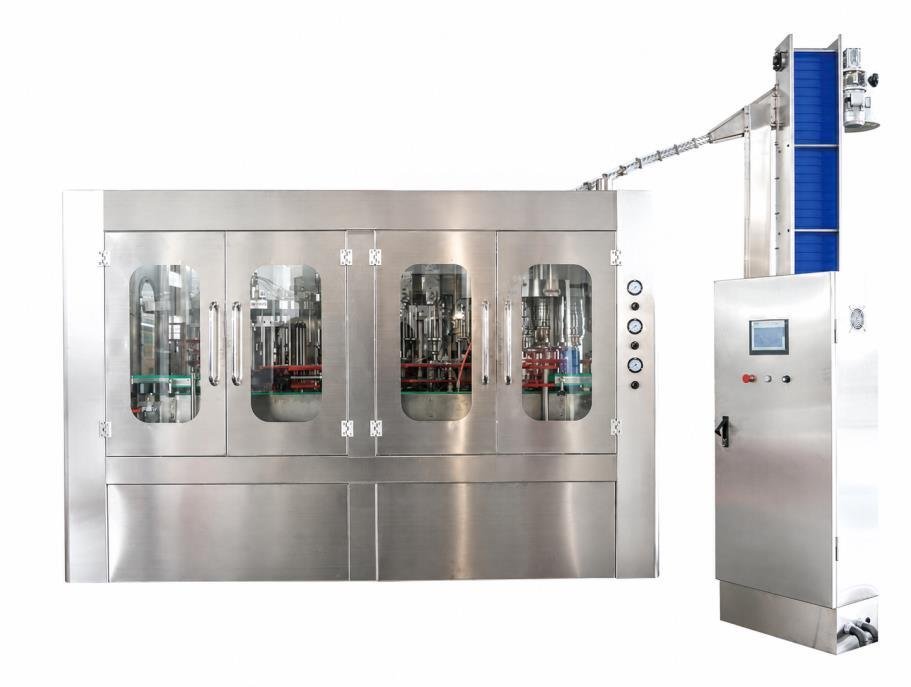
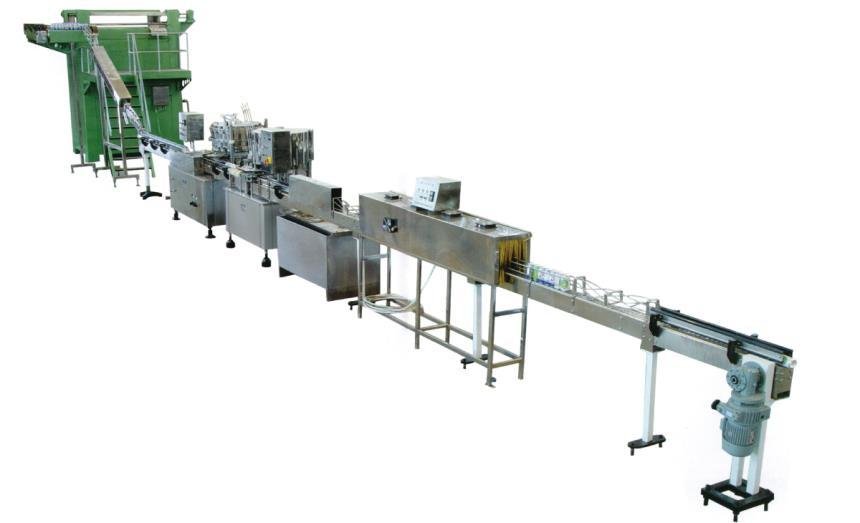
Catalog equipment images; separately confirm what the quotation includes.
Engineering decision guide
Continue the buyer decision path
Use these pages in sequence to understand, compare, plan, choose and prepare a project-specific request.
-
PET Bottle Filling Machine
Match the PET bottle, neck finish, support geometry, cap and beverage process to a verified handling and filling concept.
-
Bottle and Cap Drawings: Prevent Leaks and Changeover Mismatch
A bottle volume and a nominal cap diameter do not define a compatible package. Match controlled bottle and closure drawings, including neck finish, sealing surfaces and tolerances. Verify the actual samples against those revisions before reviewing handling parts, capping conditions and acceptance tests.
-
Bottle Closure and Capping Interface Guide
Define the closure, neck finish, cap feeding, application method, torque basis and inspection method as one controlled interface.
-
Filling Machine Technical Specification Checklist
Create one controlled specification covering duty, formats, output, interfaces, utilities, materials, controls, tests, documents and exclusions.
-
Request a Filling Machine Recommendation
Send a structured machine brief with the known product, package, output, site and project facts, while marking unknowns openly.
Continue the same-language review
PET Water Filling Machines: Model Selection and Fill-Level Checks
For still water in compatible PET bottles, screen a normal-pressure rinsing–filling–capping machine. Select by the actual bottle and cap, then agree accepted output and sanitation requirements; a catalog speed alone cannot settle the choice.
Open guideHot-Fill PET Bottles: Deformation, Vacuum and Closure Checks
A PET bottle suitable for still water is not automatically suitable for hot filling. Obtain the bottle supplier's approved hot-fill duty and evaluate the bottle, cap, filling and cooling process as a system. Resin name or bottle weight alone does not demonstrate thermal or vacuum resistance.
Open guideFilling Machine Factory Acceptance Test
Write FAT conditions, materials, duration, sample method, acceptance criteria, records and deviation handling before the test.
Open guideBuyer questions
Frequently asked questions
Is nominal cap diameter enough to confirm compatibility?
No. Thread, neck finish, sealing geometry, tolerances and application conditions must be reviewed as a matched system.
Can a photograph replace a controlled package drawing?
No. Photos help identify defects, but do not establish dimensions, tolerances or the revision used for engineering approval.
Last reviewed:
Engineering decision guide
Build a review brief for Bottle and Cap Drawings: Prevent Leaks and Changeover Mismatch
Share the verified facts and open questions. Allot Tech can then prepare a preliminary, project-specific review without inventing missing inputs.