
Filling technology selection
Isobaric Filling Machine Application Guide
Isobaric, or counter-pressure, filling establishes a controlled pressure relationship between the container and product supply before filling, followed by controlled pressure release. This helps manage carbonation loss and foam. Match dissolved CO2, inlet temperature, supply conditions, valve sequence and bottle/closure performance—not just a claimed BPH.
Request a Machine Configuration Review
Machine selection and configuration
Counter-Pressure Filling: The Simplified Sequence
Process explanation, not an operating procedure. Gas handling, controls and pressure settings are configuration-specific.
- Present and seal the compatible bottle at the filling valve; confirm the container pressure duty and handling arrangement.
- Establish the required pressure relationship using the designed gas circuit before product transfer.
- Fill with the configured valve sequence while displaced gas follows its controlled path.
- Close the product path and release pressure through the controlled vent/snift step before unsealing and capping.
Machine selection and configuration
Five Conditions Behind a Useful Carbonated-Filler Quotation
| Input | Define at the right location | Why a missing value matters |
|---|---|---|
| Product temperature | At the filler inlet during intended production. | A chiller outlet setting does not establish the temperature reaching the valve. |
| Dissolved CO2 | Target/tolerance, units, sample location and test method. | The beverage name alone does not define carbonation requirements. |
| Pressure and supply | Available supply, control stability and approved operating envelope. | Nominal pump or gas ratings do not prove stable filling conditions. |
| Bottle, cap and fill | Pressure-compatible package, drawings, fill quantity and headspace. | Format changes can affect sealing, venting, fill time and closure performance. |
| Acceptance at output | Duration, accepted BPH, fill checks, foam/loss, CO2 and closure checks. | Maximum carousel speed is not accepted production on your beverage. |
Machine selection and configuration
Locate the Foam Symptom Before Adjusting Speed
Use trained operators and supplier-approved procedures. Do not defeat guards, pressure protection or interlocks.
| Symptom location | Review with the supplier | Record |
|---|---|---|
| Start of filling | Temperature, supply stability, sealing and equalization. | SKU, inlet conditions, affected valves and symptom timing. |
| Fill cutoff or pressure release | Cutoff, headspace and configured vent/snift sequence. | Safe observation plus fill acceptance and product-loss samples. |
| After a stop | Product condition changes and approved restart sequence. | Stop duration, alarms, restart rejects and stabilized conditions. |
Machine selection and configuration
Continue Your Machine Selection
DXGF carbonated beverage machines
Compare catalog models and define the carbonator, chiller and filler supply boundary.
DXGF carbonated beverage machinesFoaming beverage guide
Connect symptoms with product and filling conditions before selecting a different valve.
Foaming beverage guideTurn the conditions into a FAT
Agree the actual beverage or documented substitute, measurements and operating conditions.
Turn the conditions into a FATCatalog equipment evidence
Isobaric Filling Project Interfaces
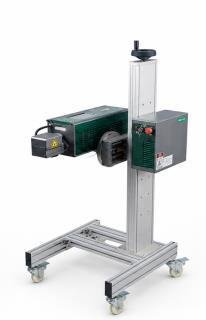
Product preparation, coding and packing must not destabilize the temperature, pressure or sustainable-output basis used to select the filler.


Engineering decision guide
Continue the buyer decision path
Use these pages in sequence to understand, compare, plan, choose and prepare a project-specific request.
-
Beverage Filling Machines
Compare filling machine families by beverage behavior, filling basis, package handling and the interfaces required around the filler.
-
Isobaric Filling Machine
Use carbonation, product temperature, operating pressure, foam behavior and package limits to determine whether an isobaric route should be evaluated.
-
Filling Machine Technical Specification Checklist
Create one controlled specification covering duty, formats, output, interfaces, utilities, materials, controls, tests, documents and exclusions.
-
Filling Machine Selector
Generate a preliminary technology route from beverage, process, package and output inputs, then verify open assumptions with an engineer.
-
Request a Filling Machine Recommendation
Send a structured machine brief with the known product, package, output, site and project facts, while marking unknowns openly.
Buyer questions
Frequently asked questions
Does counter pressure alone prevent foam and CO2 loss?
No. Stable filling also depends on product preparation, inlet temperature, dissolved CO2, pressure sequence, venting, package and closure performance.
What does isobaric filling mean?
The container and filling vessel are brought to a controlled pressure relationship before product flow, followed by a managed pressure-release step. The actual sequence and settings are machine- and product-specific.
Which package information is needed for isobaric filling?
Provide the container material, drawing, neck or finish, dimensions, pressure resistance, closure specification and representative samples. PET, glass and cans use different handling and closure systems.
Does counter-pressure filling eliminate all foam?
No. Product condition, sealing, valve behavior, fill cutoff and pressure release still matter. Agree acceptable foam, loss, fill and carbonation results at the intended rate, then verify them during the defined test. Do not copy pressure settings from another application.
Last reviewed:
Next machine-selection action
Request a Configuration Based on Your Production Task
Send the beverage, bottle/cap drawings, production schedule, target accepted output and equipment you plan to retain. Allot Tech can review the machine scope and items requiring confirmation.