
Filling technology selection
Replace an Existing Filling Machine Without Losing the Line Interfaces
Replace the filler after evidence shows what the new machine must solve. A faster filler cannot fix a consistently slower labeler, missing bottle supply or an unsuitable product process. Record accepted output and losses, survey the retained interfaces, then agree a cutover and site-acceptance plan before removing the old machine.
Request a Machine Configuration ReviewMachine selection and configuration
Check the Cause Before Specifying a Replacement
| Observed problem | Evidence to collect | Decision it supports |
|---|---|---|
| Filler repeatedly starved or blocked | Timestamped stops, queue state and upstream/downstream rates on the same SKU. | Correct the limiting supply or discharge operation; more filling heads may not help. |
| Recurring filler faults | Fault codes, failed parts, repair duration and OEM support/parts status. | Compare supported repair or retrofit with replacement against the required reliability. |
| Poor accepted output | Gross bottles, rejects, spillage, closure defects and stop duration. | Separate speed loss from quality loss and set a measurable acceptance target. |
| New beverage or bottle | Product conditions, package drawings and current machine limits. | Review platform/process suitability before pricing a format conversion. |
| Long changeovers | Last-good to first-good time, cleaning, labor and restart rejects. | Compare changes to the existing process with a new design on the same schedule. |
Machine selection and configuration
Replacement Interface Register: What Stays, What Changes?
Planning template, not a completed site survey. Use one row per real connection, assign an owner and mark each input measured, drawing-confirmed or still open.
| Interface | Record before ordering | Agree before installation |
|---|---|---|
| Bottle infeed/outfeed | Direction, elevation, width, speed range, neck/body handling and drawings. | Transition parts, supports, sensors, accumulation and transfer acceptance. |
| Product and cleaning | Connections, supply/return conditions and retained preparation/cleaning modules. | Pipework, isolation, drainage and process-validation responsibility. |
| Electrical and utilities | Available supplies and verified site connection limits. | Demand and modifications approved by responsible qualified personnel. |
| Controls and safety | PLC/HMI, signals, network interfaces, drawings and interlock description. | Authorized backups, supported access and stopped/restart tests; no bypassed interlocks. |
| Space and access | Measured floor plan, anchors, doors, lifting route and service zones. | Approved removal/rigging plan, foundations, guarding and installation sequence. |
| Retained downstream equipment | Accepted rate and format limits on the actual bottle/cap. | Handoff conditions, responsible supplier and integrated site test. |
Machine selection and configuration
Plan the Changeover Before the Old Filler Leaves
- Freeze scope: identify retained equipment, reference SKUs, exclusions and accepted output. Resolve survey gaps before irreversible site work.
- Complete the agreed FAT and record open items. A factory test cannot prove every retained site interface.
- Prepare the site: confirm qualified personnel, access, utilities, spares and authorized controls backups before scheduling removal.
- Define a hold point: agree who authorizes removal and what happens if equipment, parts or utilities are not ready. Do not promise a fixed outage without a reviewed plan.
- Run site acceptance: test the installed line, including blocked/starved states and restart. Record accepted output, defects and open-item closure owners.
Machine selection and configuration
Continue Your Machine Selection
Repair, retrofit or replace?
Compare the intervention scope and remaining machine limits before choosing a new unit.
Repair, retrofit or replace?Detailed existing-line survey
Collect drawings and operating facts needed for a replacement proposal.
Detailed existing-line surveySite acceptance after installation
Define integrated evidence and open-item closure with the retained line.
Site acceptance after installationCatalog equipment evidence
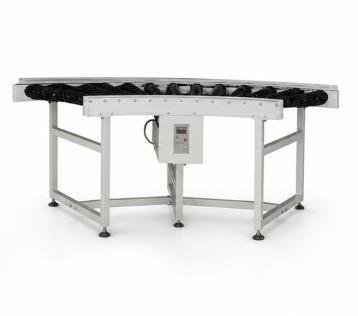
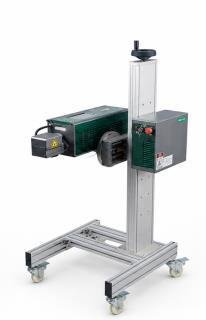
Interfaces to Survey Before Replacing a Filler
Measure the retained conveyor, labeling, coding and packing equipment so the replacement scope is based on real transfer and controls data.


Interactive machine tool
Existing machine upgrade inquiry
Existing line review
Request an existing-line filling-machine review
Describe the machine to replace, the current package and product, and the interface problem. Allot Tech can use the facts to prepare a preliminary review.
Engineering decision guide
Continue the buyer decision path
Use these pages in sequence to understand, compare, plan, choose and prepare a project-specific request.
-
Beverage Filling Machines
Compare filling machine families by beverage behavior, filling basis, package handling and the interfaces required around the filler.
-
Filling Technology Comparison
Compare gravity, hot-fill and isobaric routes against the same product, package, acceptance and cleaning facts.
-
Replace an Existing Filling Machine
Start a replacement project with a measured interface survey, retained-equipment list, failure history and a defined acceptance basis.
-
Filling Machine Selector
Generate a preliminary technology route from beverage, process, package and output inputs, then verify open assumptions with an engineer.
-
Request a Filling Machine Recommendation
Send a structured machine brief with the known product, package, output, site and project facts, while marking unknowns openly.
Buyer questions
Frequently asked questions
Which measurements should be collected before replacing a filler?
Record the retained conveyor heights and directions, bottle and cap data, footprint, controls, utilities, real output, losses and upstream/downstream constraints.
How long will a filler replacement stop production?
A credible outage estimate needs a site survey, approved removal/installation plan, utility readiness, controls scope and commissioning schedule. Separate mechanical installation time from the time required to achieve accepted production. No universal number of days is reliable.
Last reviewed:
Next machine-selection action
Request a Configuration Based on Your Production Task
Send the beverage, bottle/cap drawings, production schedule, target accepted output and equipment you plan to retain. Allot Tech can review the machine scope and items requiring confirmation.