
Filling technology selection
PET Bottle Filling Machines for Still, Hot-Fill and Carbonated Drinks
A PET bottle filling machine must match both the beverage and the bottle. XGF, RXGF and DXGF are distinct catalog families for still water, juice and tea, and carbonated drinks. A shared bottle material or neck finish does not make their filling processes interchangeable.
Send the PET Bottle Drawing
Compare catalog machine families
Three PET Filling Machine Families: XGF, RXGF and DXGF
Compare the beverage application first. All capacities below are catalog references on a 500 ml basis, not guaranteed output on every bottle. Configuration and current availability are confirmed in the project proposal.
XGF Water Filling Machines
Normal-pressure rinsing, filling and capping for still drinking water. Compare nine reference models from 6,000 to 42,000 BPH, then specify your bottle, cap and required operating output.
Compare XGF models and specifications
RXGF Juice and Tea Filling Machines
PET juice and tea filling references from 4,000 to 32,000 BPH across eight models. A hot-fill proposal also needs the validated product process, bottle heat resistance and cooling sequence.
Compare RXGF models and process requirements
DXGF Carbonated Beverage Filling Machines
Isobaric PET bottling references from 4,000 to 28,000 BPH across eight models. Compare the machine together with product temperature, dissolved CO2, pressure supply and foam acceptance.
Compare DXGF models and carbonation requirementsMachine selection and configuration
Build a PET Bottle Format Matrix Before Comparing Machines
Example specification fields, not a promise that one machine accepts every format. Obtain bottle and cap drawings plus physical samples for engineering review.
| Format decision | What to record per SKU | What can change on the machine |
|---|---|---|
| 500 ml and 1.5 L bottles | Separate drawings, required BPH and changeover frequency for each size | Fill time, transfer stability, guides and output; do not scale BPH by volume alone |
| Same neck, different body | Height, diameter, support ring, base stability and filled-bottle weight | Body guides, discharge transfer and height settings may still change |
| Different neck or cap | Neck-finish drawing, thread, closure dimensions and application requirements | Neck grips, stars, cap handling and capping tooling need a compatibility review |
| Still, hot-fill or carbonated duty | Heat/pressure resistance and the validated product condition | Filling principle, handling and process controls; this is not simply a bottle change |
Machine selection and configuration
Inputs to confirm before configuration
- Bottle drawing and physical samples
- Neck finish, support ring and cap drawing
- Bottle height, diameter, volume and weight
- Still, hot-fill or carbonated duty
- Bottle supply method and orientation
- Changeover family and acceptable change time
Machine selection and configuration
Prepare the Bottle Evidence for Your RFQ
Bottle and cap drawing checklist
Collect the interface dimensions that define grips, transfers, sealing and cap application.
Bottle and cap drawing checklistPET bottle neck finish
Compare the finish and support-ring details, not only a nominal neck diameter.
PET bottle neck finishFilling-machine format changeover
Identify changed parts, adjustments, verification and the agreed changeover-time boundary.
Filling-machine format changeoverHot-fill PET bottle requirements
Review the bottle and closure against the thermal process and cooling conditions.
Hot-fill PET bottle requirementsCatalog equipment evidence
PET Bottle Handling Before and After Filling
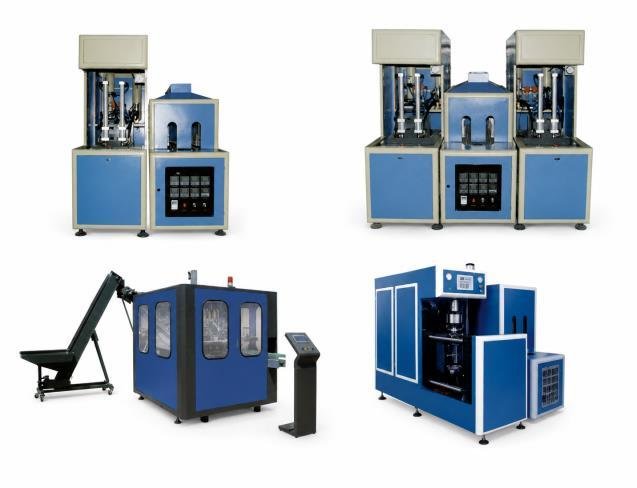
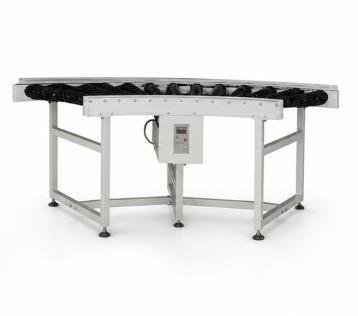
Bottle production, orientation, transfer and pallet handling are separate interfaces that can change filler stability and project scope.


Engineering decision guide
Continue the buyer decision path
Use these pages in sequence to understand, compare, plan, choose and prepare a project-specific request.
-
PET Bottle Filling Machine
Match the PET bottle, neck finish, support geometry, cap and beverage process to a verified handling and filling concept.
-
Filling Technology Comparison
Compare gravity, hot-fill and isobaric routes against the same product, package, acceptance and cleaning facts.
-
Filling Machine Capacity Guide
Define required saleable output by bottle size, product, shift pattern and planned efficiency before comparing nominal machine rates.
-
Filling Machine Selector
Generate a preliminary technology route from beverage, process, package and output inputs, then verify open assumptions with an engineer.
-
Request a Filling Machine Recommendation
Send a structured machine brief with the known product, package, output, site and project facts, while marking unknowns openly.
Buyer questions
Frequently asked questions
Which PET bottle details can change the filling machine?
Neck finish, support ring, dimensions, body stability, base design, heat or pressure resistance and the closure can all change handling and change parts.
Does bottle volume alone select a PET bottle filling machine?
No. Two bottles with the same nominal volume can have different necks, diameters, heights, base geometry, wall distribution and stability. Controlled drawings and representative samples are needed.
Can the same PET bottle be used for water, hot fill and carbonated drinks?
Do not assume so. Heat-set performance, vacuum response, internal-pressure resistance, base design, neck stability and closure suitability must match the actual beverage process.
Can a 500 ml PET filling machine also fill 1.5 L bottles?
Possibly, but the volume alone is insufficient. Confirm both bottle drawings, neck finish, cap, machine adjustment range, change parts and required output. The 500 ml catalog rate is not a guaranteed 1.5 L rate, and matching neck finishes do not eliminate every handling adjustment.
Last reviewed:
Next machine-selection action
Let the PET package define the handling basis.
Share the bottle and closure drawings, samples and process condition before change parts are discussed.